|
August 29, 2025 - 5 Elul 5785
Dear Friends, The High Holidays are fast approaching and we look forward to having you join us for an uplifting, meaningful, and Hamish holiday season in the comfort of our beautiful sanctuary. Please remember to send in your reservation forms, so we know you are coming. If you have any friends, neighbors, or relatives who aren’t yet sure where to attend services, please share our information and encourage them to join us. I will be away this Shabbat, but we are pleased to welcome Rabbi Dahlia Bernstein back to the Bimah to lead services. Rabbi Bernstein became a new mom since we last saw her, so please give her a warm welcome. As a sports fan and, as a human being, one of the adages I end up living by is, "Hope for the best, prepare for the worst." It seems that the Torah, in its ongoing evaluation of humanity and its tendencies, adopts a similar approach.
Way back in B'reishit, God floods the entire earth because of the wickedness and violence that has permeated all of humanity. At the end of the story, as the flood ceases and the waters gradually recede, Noah and his family are permitted to exit the ark, and he offers a sacrifice to God. At exactly a moment where we might hope for God to show compassion and even, perhaps, remorse, God declares: "Never again will I doom the earth because of humankind..."
Good start, God! Definitely good news. But why not? You won't destroy us because You love us, right? Right? "...since the devisings of the human mind are evil from youth." Oh. So, it seems God is stuck with us, and one could argue that the entirety of the laws and precepts we're given throughout the rest of Torah reflect this inherent tension of hoping for the best from humans, while still being prepared for the worst. This week's Parasha, Shoftim, or "Judges," fittingly dives a bit deeper into the pursuit of justice through tort and other law codes. Having laid out some of its "capital crimes," the Torah goes onto give us fundamental instruction and guidance on how such a dire sentence might be arrived at or avoided:
על פי שנים עדים או שלה עדים יומת המת לא יומת על פי עד אחד "A person shall be put to death only on the testimony of two or more witnesses; no one shall be put to death on the testimony of a single witness." As much as we would all hope for each person to be honest and forthcoming, as objective as possible, with no hidden motives or ulterior agenda, the authors of the Torah were clearly aware of the dark side of human nature. For one person to hold that much power is to put one's life almost literally in their hands. And yet, if there is even a kernel of truth to the accusation, then it must be investigated thoroughly, and at least one other person must corroborate, exactly, what the first person has alleged. This helps protect the accused, assuming innocence until proof of guilt, as in our court system today. But then the Torah goes a step further, aiming to minimize such allegations being brought forth, warning one who may do so to, as rapper Ice Cube would say, "check yourself before you wreck yourself:" יד העדים תהיה בו בראשנה להמיתו ויד כל־העם באחרנה ובערת הרע מקרבך
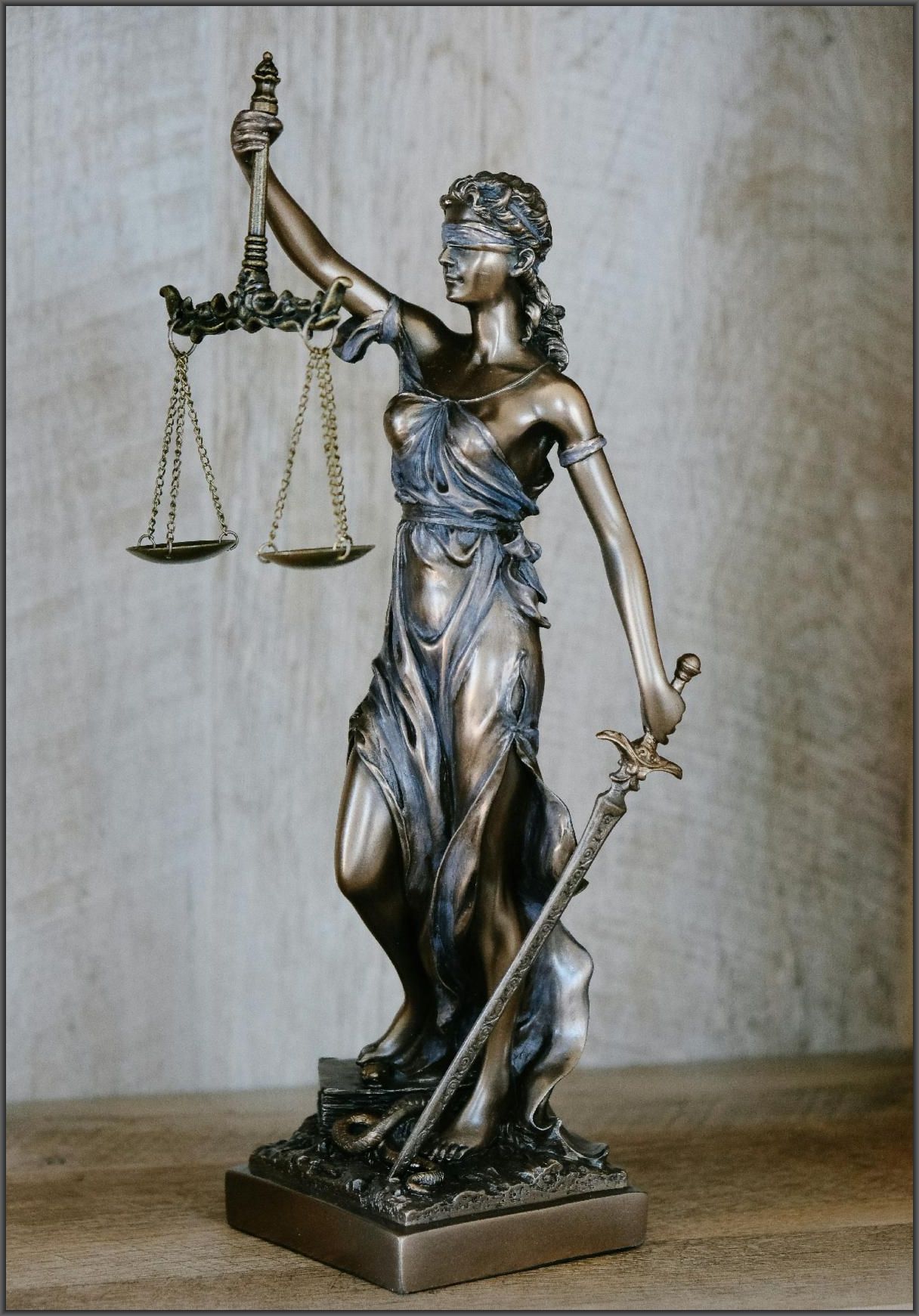
"Let the hands of the witnesses be the first to put [the condemned] to death, followed by the hands of the rest of the people. Thus, you will sweep out evil from your midst." Just be forewarned, the Torah says: if your accusation is in turn proven to be accurate, you yourself - not any official or magistrate - will be the one to put them to death. To unfairly send someone to a death sentence at another's hands is one thing, but if this person is convicted, you yourself will execute them. The minimum requirement of two witnesses is repeated later in the portion, followed by these verses, that double down on what we shared above: "If someone appears against another party to testify maliciously and gives incriminating yet false testimony, the two parties to the dispute shall appear before יהוה, before the priests or magistrates in authority at the time, and the magistrates shall make a thorough investigation. If the one who testified is a false witness, having testified falsely against a fellow Israelite, you shall do to the one as the one schemed to do to the other. Thus, you will sweep out evil from your midst; others will hear and be afraid, and such evil things will not again be done in your midst." (Deuteronomy 19:16-20) Tesitfy at your own risk, the Torah says clearly. And if your accusations are proven false, the sentence you hoped would be conferred upon your rival will now befall you. Appreciation and encouragement of the best of humanity - acting through honesty, integrity, and compassion - will help us attain justice, or at least get closer to it. But attempting to subvert the judicial system through pursuit of personal vendettas and agenda undermines not just the accuser, but the entire endeavor at seeking justice. And a text not known for repeating words right in a row tells us, in this very portion: Tzedek, Tzedek Tirdof. "Justice, justice shall you pursue." Hope for the best, prepare for the worst, and, God willing, we will find ourselves a step closer to attaining Tzedek for all. Shabbat Shalom, Rabbi Joshua Strom
|