|
September 12, 2025 - 19 Elul 5785
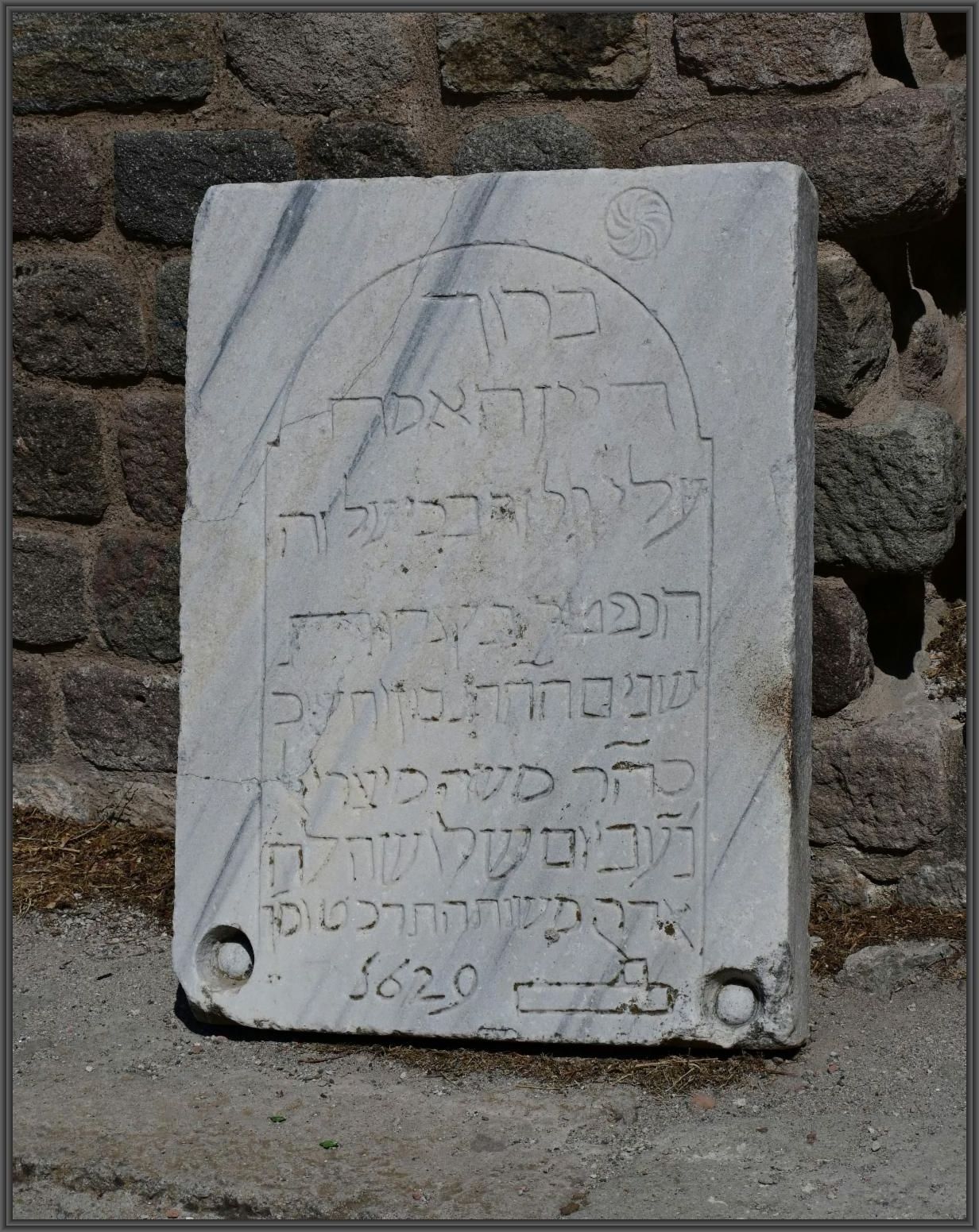
Dear Friends, The High Holidays are just over one week away and we look forward to having you join us for an uplifting, meaningful, and Hamish holiday season in the comfort of our beautiful sanctuary. If you haven’t already sent in your reservation forms, please do so right away, so we know you are coming. If you have any friends, neighbors, or relatives who aren’t yet sure where to attend services, please share our information and encourage them to join us too. This Shabbat, our Kiddush luncheon will be sponsored by Lili Weitzen to honor and celebrate the memory of her father, Mayer Chalom. We thank Lili for her generosity and hope you will join us at the Kiddush table tomorrow. Ki Tavo, this week's Torah portion, issues to the Israelites a number of instructions regarding rituals and actions they are to take upon entering the Promised Land. In Deuteronomy 27:5-6, our ancestors are commanded: "[On Mount Ebal,] there, too, you shall build an altar to your God יהוה, an altar of stones. Do not wield an iron tool over them; אֲבָנִ֤ים שְׁלֵמוֹת֙ תִּבְנֶ֔ה אֶת־מִזְבַּ֖ח יְהֹוָ֣ה אֱלֹהֶ֑יךָ you must build the altar of your God יהוה of unhewn stones." While "unhewn stones" is the most common translation here, the Hebrew describes the Avanim, the stones, as Shleimot, sharing the same three-letter root with Shalom, and might be rendered very differently as pure, untouched, whole, blank, or even complete. Though it seems likely that this command was to ensure the creation of new altars and signposts, rather than painting over or re-purposing altars of a foreign nation, I wonder if there might be something here about the concept of a blank slate. On one hand, none of us is truly born into the world as a tabula rasa, to use John Locke's language. We are born with genetic predispositions and into a world of nearly infinite influences, from parents to teachers to family and friends, for positive and negative and everything in between. They form and shape us into the people we are. In many parts of our nation and world, children are taught to hate entire cultures of people. So many people have internalized the lesson that violence is the best way to resolve disputes and disagreements, that might makes right, as we have seen in yet another school shooting and the public execution of a political activist, in just these last few days. Used in another way, the concept of giving someone a blank slate, of resetting a relationship, is also incredibly challenging as human beings. Are we really going to completely forget what has been done and said to us? Do we really expect people to completely forget what we have done and said to them? Not exactly. And yet, perhaps we can think of the Avanim Shleimot, the whole stones, not as whitewashing or erasing the past, but rather, as helping us to turn the page and begin a new chapter. What's been chiseled on the old stones of yesteryear need not be carved verbatim or at all into the tablets of the year that lies before us. We can model and teach love, kindness, acceptance, and empathy, to our children and grandchildren, so they can inscribe those central human and Jewish values on the slates of their own hearts. We can choose to see the dawning new year as an even Shleimah, an untouched stone, as the beginning of a path towards Shalom, to peace within our souls, for our families and friends, for a nation and world that so badly needs it. Shabbat Shalom, Rabbi Joshua Strom
|